
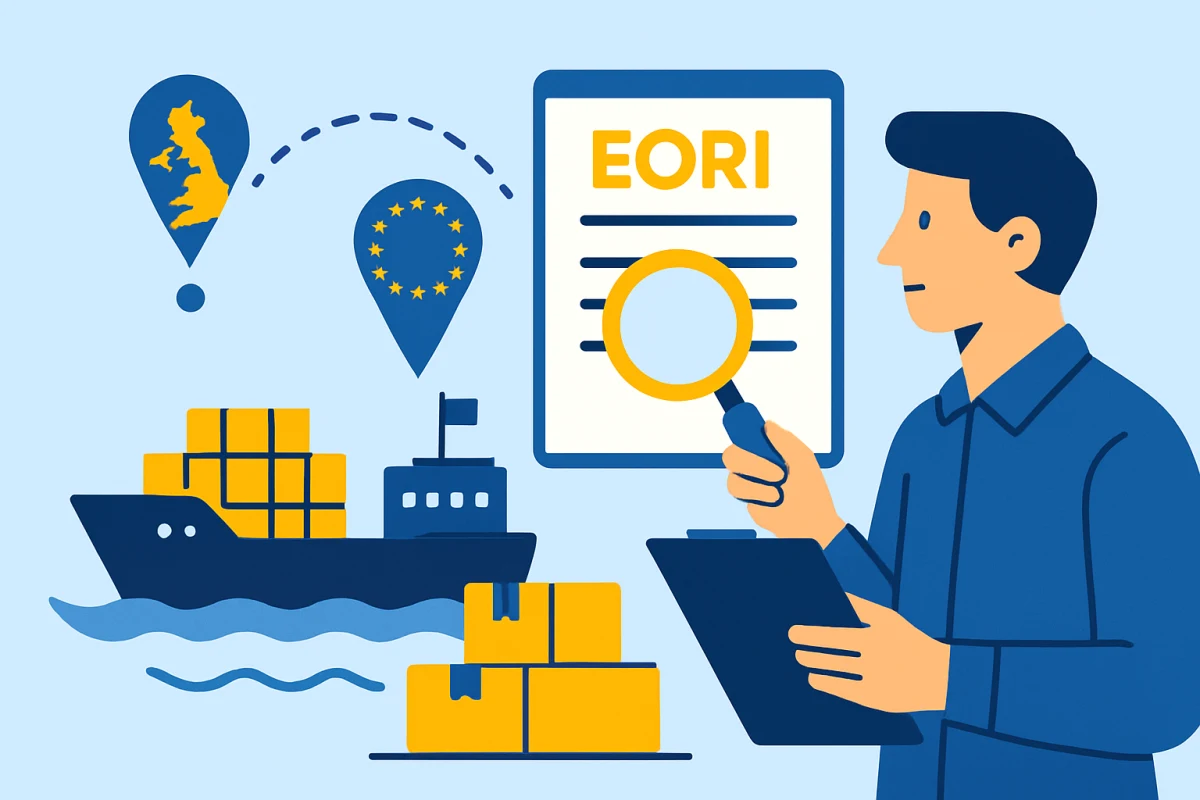
If you run your business as a sole trader or you're self-employed, you might assume EORI numbers are only for limited companies. They're not. What matters to HMRC and customs is not your legal structure but whether you are moving goods across a border as the importer or exporter of record. If that's you, you almost certainly need an EORI number — regardless of whether you've registered a company.
This guide explains exactly when a sole trader needs an EORI, how to apply without a company, how the GB number is built, and how your situation differs from a limited company.
Does legal structure change the EORI rules?
No. An EORI (Economic Operators Registration and Identification) number identifies the trader responsible for a customs declaration. Whether you're a sole trader, a partnership or a limited company, if your name appears as the importer of record or exporter of record, you need a valid EORI to clear the goods.
Customs treats you as the "economic operator." Being self-employed doesn't exempt you — it simply means the EORI is registered against you as an individual trading, rather than against a company registration number. If you're new to the concept, our explainer on what an EORI number is covers the basics before you apply.
When does a sole trader actually need one?
You need a GB EORI number if you are:
- Importing goods into Great Britain from outside the UK (including from the EU).
- Exporting goods from Great Britain to a destination outside the UK.
- Making customs declarations, or using a courier or freight agent who submits them in your name.
You generally don't need one if:
- You only supply services (consulting, design, digital products with no physical shipment).
- You only buy and sell within the UK with no cross-border movement.
- A supplier is the importer of record and clears the goods entirely in their own name (common with some DDP arrangements).
Side-hustle e-commerce and occasional imports
A common trap is the small online seller sourcing stock from abroad. If you buy inventory from a manufacturer in China or the EU and it's shipped to you, you are typically the importer. Even a single shipment can require an EORI for the goods to clear customs. There is no minimum turnover or volume threshold — an occasional importer needs an EORI just as much as a full-time one.
If your courier emails asking for your EORI number before releasing a parcel, that's the signal you needed one. It's far easier to apply in advance than to sort it out while goods sit in a customs holding facility racking up storage charges.
Applying for an EORI without a company
The good news: sole traders can apply directly through HMRC using the same online service as everyone else, and it's free. You don't need a company number. Instead, you'll typically identify yourself using your Unique Taxpayer Reference (UTR) and personal details.
What you'll need to apply
| If you are… | What HMRC generally asks for |
|---|---|
| VAT-registered sole trader | Your VAT registration number and effective date |
| Non-VAT-registered sole trader | Your Self Assessment UTR, National Insurance number and business start date |
| Newly self-employed with no UTR yet | Your National Insurance number and personal details (register for Self Assessment first if possible) |
Most sole traders find the application takes only a few minutes online, and the EORI is often issued quickly — sometimes almost immediately, sometimes within a few working days if HMRC needs to run checks. For a full walk-through, see our guide on how to get an EORI number.
Do you have to be VAT-registered?
No. Many sole traders trade well below the VAT threshold and are not VAT-registered. You can still get an EORI. HMRC uses your UTR and NI number to verify your identity instead of a VAT number. If you later register for VAT, your EORI can be linked to it — you don't usually need a brand-new number.
How the GB EORI number is constructed
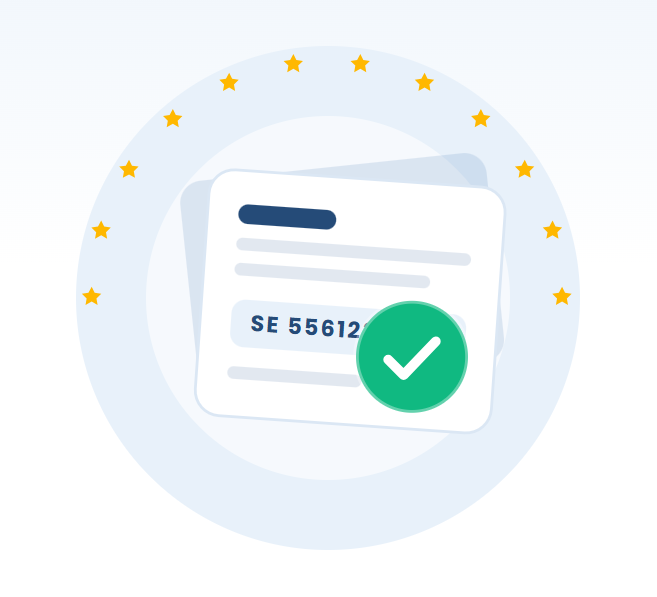
A UK EORI number for a business follows a consistent format. It starts with the GB country prefix, followed by digits based on your VAT number (if you have one) plus a suffix.
| Element | Example | Notes |
|---|---|---|
| Country prefix | GB | Identifies Great Britain |
| Core digits | 123456789 | Based on your VAT number if VAT-registered |
| Suffix | 000 | Usually three trailing zeros |
| Full example | GB123456789000 | 12 characters after "GB" when VAT-linked |
If you're VAT-registered, your GB EORI is normally your VAT number with GB in front and 000 on the end. If you're not VAT-registered, HMRC issues a GB EORI based on a unique reference rather than a VAT number, but it still starts with GB and works the same way at customs. Either way, the number identifies you as the trader.
Sole trader vs limited company: the key differences
| Aspect | Sole trader / self-employed | Limited company |
|---|---|---|
| Who the EORI is registered to | You as an individual trading | The company as a legal entity |
| Identifier used to apply | UTR + National Insurance number (or VAT number) | Company number + VAT number |
| Liability | Personal — you're liable for duties and VAT | Company is liable (limited liability) |
| If you incorporate later | New company needs its own EORI | — |
| Cost | Free | Free |
One important point: if you start as a sole trader and later form a limited company, the company is a separate legal person and must apply for its own EORI. Your personal sole-trader EORI cannot simply be transferred to the new company.
What about Northern Ireland?
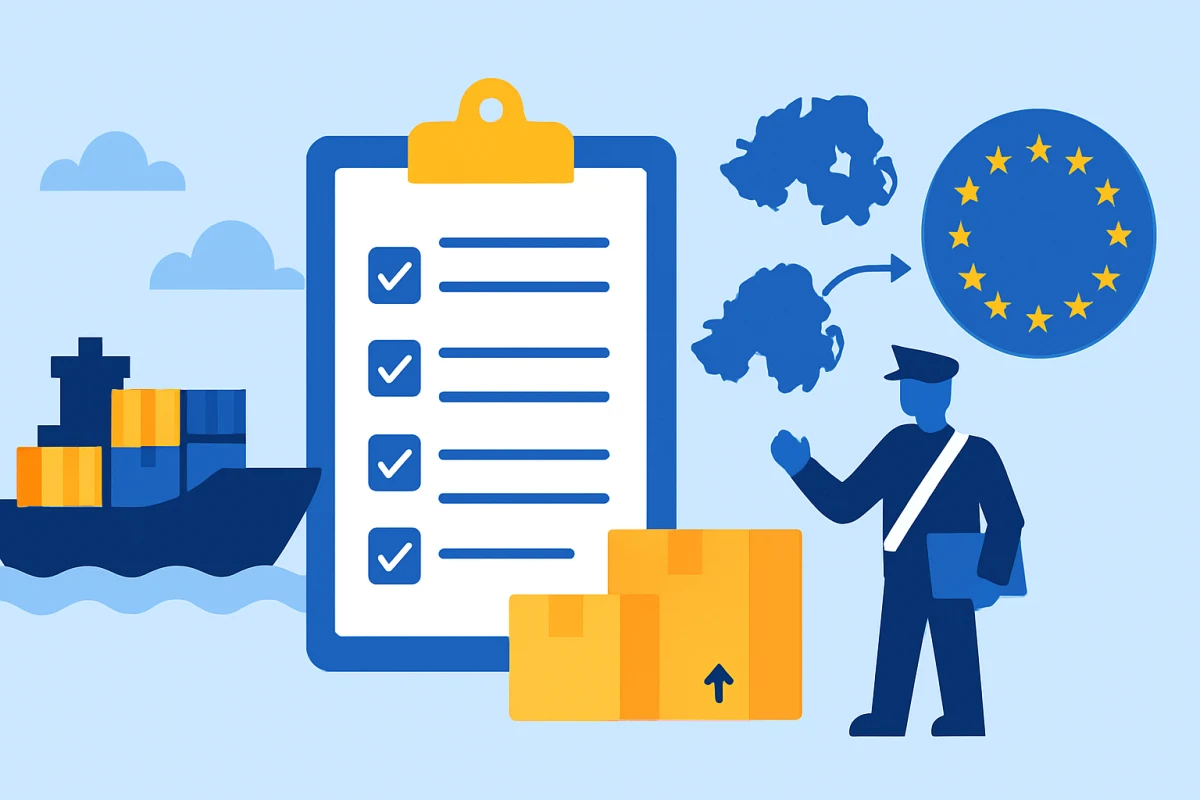
If you move goods to or from Northern Ireland, you may also need an XI EORI number in addition to your GB one. This applies to sole traders too. The GB EORI covers Great Britain movements; the XI number covers the Northern Ireland Protocol arrangements. Most mainland UK sole traders only need the GB number unless NI trade is involved.
Already got one? Check before you ship
If you applied a while ago, or you're unsure whether your EORI is active, verify it before booking a shipment. You can look it up using our find your EORI number guide, which explains where HMRC sends the confirmation and how to recover it. Giving a courier an invalid or inactive number is one of the most common causes of delays.
Your next step
If you're a sole trader who imports stock, sells physical products abroad, or sources inventory internationally for an online shop, get your EORI in place before your first shipment moves. It's free, it takes minutes, and it prevents goods being held at the border.
- Confirm you'll be the importer or exporter of record.
- Gather your UTR and National Insurance number (or VAT number if registered).
- Apply through HMRC using our step-by-step guide.
- Store the number safely and give it to your courier or customs agent for every shipment.
Being self-employed doesn't get you a pass on customs — but it also doesn't make the process harder. A few minutes now keeps your goods moving.
Comments (0)
No comments yet. Be the first to share your thoughts!
Leave a comment
Your comment will appear after it's reviewed. Your email is never shown publicly.