
An EORI number is not something every business or person automatically needs. It comes into play the moment you make a customs declaration — importing or exporting goods across a customs border. If you never touch customs, you probably don't need one. This guide walks you through who must register, when a private individual genuinely needs an EORI, and who is safely exempt.
What an EORI number is actually for
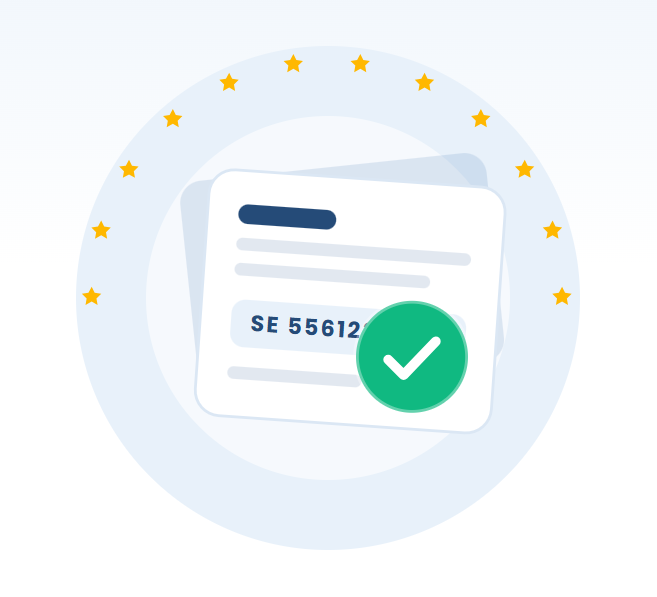
An EORI (Economic Operators Registration and Identification) number is a unique ID used by customs authorities to track goods moving in and out of the UK and EU. It appears on customs declarations, import and export paperwork, and communications with HMRC or the relevant EU customs office. If you'd like a fuller explanation of the concept, see our guide on what an EORI number is.
The key principle: an EORI is tied to customs activity, not to simply having a business. You can run a company for years and never need one. The instant you file a customs declaration — or someone files one on your behalf — an EORI becomes necessary.
Who needs an EORI number?
You need an EORI number if you are established in the UK or EU and you move goods across a customs border for commercial purposes. This covers a broad range of traders.
Limited companies
Any incorporated business that imports goods into or exports goods out of the UK (or EU) needs an EORI number. This includes manufacturers sourcing components abroad, wholesalers, retailers, and e-commerce sellers shipping to or from overseas warehouses.
Sole traders and partnerships
You don't need to be a limited company. Sole traders and partnerships that import or export goods commercially need an EORI just as much as larger firms. The registration is linked to your business, using your VAT number where you have one.
E-commerce sellers
Online sellers who import stock, use overseas fulfilment, or ship products to customers across a customs border almost always need an EORI. If you sell on marketplaces and hold your own inventory abroad, check your obligations carefully.
Businesses using a courier or customs agent
Even if a freight forwarder, courier or customs broker files declarations for you, you usually still need your own EORI number. The declaration is made in your name as the importer or exporter of record, and your EORI identifies you to customs.
Do private individuals need an EORI number?
This is where confusion is common. Most private individuals buying goods online from abroad never need an EORI — the courier or postal service handles the customs formalities under their own arrangements. But there are genuine situations where a private person does need one.
When a private individual needs an EORI
- Repeated or regular imports — if you import goods often enough that customs treats you like an economic operator, you may be required to register.
- High-value shipments — importing an expensive item (for example a vehicle, machinery or valuable equipment) where you are named on the customs declaration.
- Personal removals and relocation — moving household goods across a customs border can require an EORI, particularly when claiming relief on the shipment.
- Importing a vehicle — bringing a car or motorcycle into the country typically requires customs clearance in your name.
- Acting as the declarant yourself — if you handle your own customs declaration rather than leaving it to a courier, you'll need an EORI.
In short, if your name is going on a customs declaration as the person responsible for the goods, you'll usually need an EORI — regardless of whether you're a business. See our guide on how to get an EORI number for the registration steps.
Who is exempt from needing an EORI?
Plenty of situations don't require an EORI at all. You are generally exempt if:
- You only trade services — consultancy, software, digital products with no physical goods crossing a border.
- You make one-off, low-value personal purchases — the courier or postal operator clears these under their own procedures.
- You trade purely within a single customs territory — for example, goods moving between two EU member states with no customs declaration involved.
- Your goods move entirely within the UK — domestic trade doesn't cross a customs border.
Intra-EU trade: an important nuance
Businesses trading goods purely between EU member states (free circulation, no customs declaration) generally do not need an EORI for that activity. An EORI becomes necessary the moment goods enter or leave the EU customs territory — for example, importing from outside the EU or exporting to a non-EU country such as Great Britain.
Quick self-check: do I need an EORI number?
Run through these questions. If you answer "yes" to any of them, you very likely need an EORI number.
- Do I import goods into the UK or EU from another customs territory?
- Do I export goods out of the UK or EU?
- Will my name or my business name appear on a customs declaration?
- Am I importing a high-value item such as a vehicle or machinery?
- Am I relocating and shipping household goods across a customs border?
- Do I import goods regularly, even as an individual?
If you answered "no" to all of them — you only sell services, trade domestically, or make the occasional low-value personal order handled by a courier — you probably don't need one.
UK vs EU: which EORI do you need?
| Situation | EORI required |
|---|---|
| Importing/exporting goods to or from Great Britain | UK EORI (starts with GB) |
| Moving goods to or from Northern Ireland | An XI EORI may also be needed |
| Importing/exporting to or from an EU country | An EU EORI issued by a member state |
| Trading services only | None |
Traders dealing with both Great Britain and the EU sometimes need more than one EORI — a GB number and an EU number issued in the member state where they operate.
How to check an existing EORI number
If you're unsure whether you already have an EORI — for instance, if you registered for VAT and were assigned one automatically — you can verify it quickly. Use our EORI number checker to confirm whether a number is valid and active before you rely on it for a shipment.
Checking is worthwhile because an invalid or inactive EORI on a declaration can hold your goods at the border. A quick verification saves delays and demurrage costs.
Your next step
If your self-check pointed to "yes", the next move is to register — it's free and usually quick. If you're unsure whether you already hold a number, validate it first. Start by reviewing how to get an EORI number, or run your existing number through the EORI checker to make sure it's ready for use. Getting this right before your first shipment is the single easiest way to avoid customs delays.
Comments (0)
No comments yet. Be the first to share your thoughts!
Leave a comment
Your comment will appear after it's reviewed. Your email is never shown publicly.